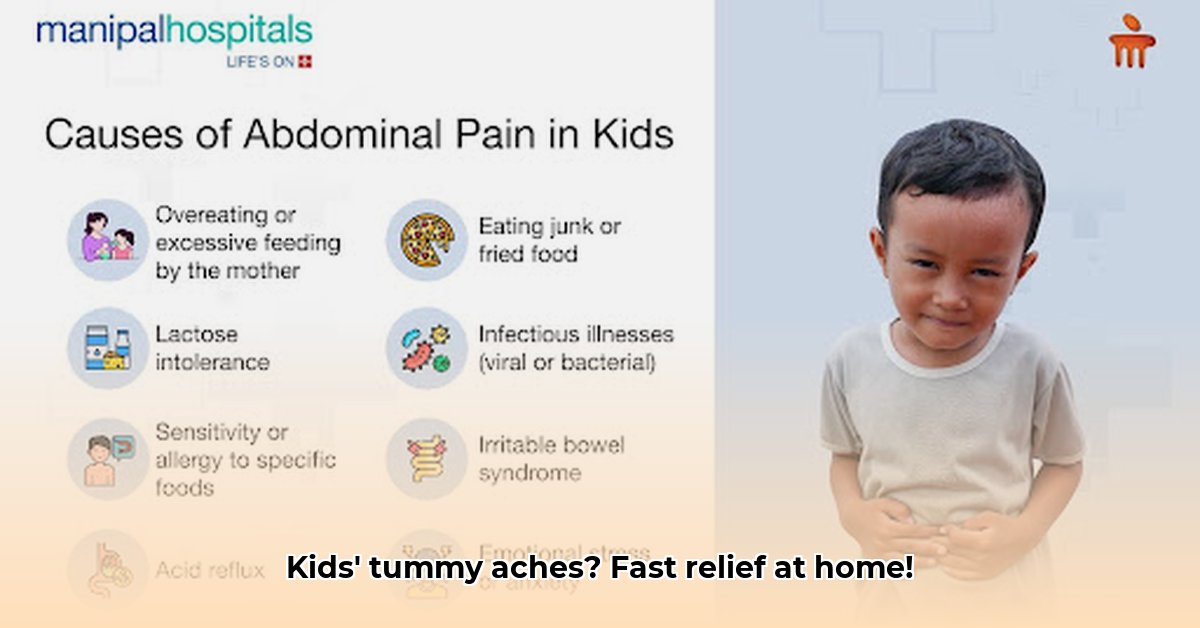
Little tummies can be tricky! Kids get stomach aches all the time, from little niggles to proper bellyaches. Knowing when to reach for home remedies and when to call the doctor is key. This guide helps parents navigate common tummy troubles, offering simple solutions and highlighting when professional help is needed. Remember, we're focusing on easing discomfort alongside proper medical care when required – your child's well-being always comes first!
First Aid for Tiny Tummies: Rest, Warmth, and Kind Foods
The first step with any tummy trouble is usually the simplest: rest. Let your little one snuggle up with a comfy blanket, or have a quiet rest in their bed. Gentle warmth can also work wonders. A warm bath, or a warm water bottle (always supervised!) placed gently on their tummy can provide comfort. Always check the temperature to avoid burns.
For food: a gentle diet is best. We're talking bland, easy-to-digest foods. Plain toast, plain rice, applesauce, or well-cooked carrots are great choices. Avoid sugary drinks, greasy foods, and anything spicy – these can irritate a sensitive tummy.
Targeting Tummy Troubles: Specific Remedies
Sometimes, a tummy ache points to something specific, like gas, diarrhoea, or vomiting. Let's look at some helpful home remedies, but remember these are supplementary to proper medical care – not a replacement.
Gas: Those Pesky Bubbles!
- Chamomile Tea (for older kids): This gentle tea can help relax tummy muscles and ease gas. Start with a tiny sip to check for allergic reactions. Always consult your doctor or pharmacist if unsure.
- Gentle Tummy Massage: Try a gentle clockwise massage on your child's tummy. This can help move trapped gas.
Diarrhoea: When the Runs Hit
- Yogurt with Live and Active Cultures: Plain yogurt with live cultures can help replenish good bacteria. Look for yogurts clearly stating “live and active cultures”. Check for allergies.
- Oral Rehydration Solutions (ORS): If your child has diarrhoea, they might be losing fluids. ORS (available at most pharmacies) helps replace lost fluids and electrolytes. Always follow the packaging instructions carefully. This is crucial for younger children.
Vomiting: When the Tummy's Rejecting Food
- Small Sips of Clear Fluids: If your child is vomiting, tiny sips of water or diluted juice are better than nothing. Avoid large amounts at once. Let their body rest and recover.
- Rest and Recovery: Let your child rest. Their body needs time to recover.
When to Call the Doctor: Knowing When to Seek Professional Help
While home remedies can soothe mild tummy aches, some situations need immediate professional attention. Don't hesitate to call your doctor if you notice:
- Severe or intense pain
- High fever (above 38°C/100.4°F)
- Blood in vomit or stool
- Dehydration signs (dry mouth, fewer wet diapers, decreased urination, sunken eyes)
- Persistent vomiting (more than a few hours)
- Severe diarrhoea (watery stools for more than 24 hours, or if your child seems very unwell)
- Persistent abdominal swelling
- Changes in bowel movements (sudden and significant change persisting over days)
Home Remedies: Support, Not Replacement
Remember, home remedies ease discomfort, but are not a replacement for a doctor's assessment. This guide offers options for mild tummy troubles, but always prioritize professional advice if concerned. A doctor can properly diagnose and provide the best treatment.
Risk Assessment Matrix for Home Remedies (Simplified)
This table gives a quick overview of potential benefits and risks. Individual reactions can vary.
| Remedy | Benefits | Potential Risks/Side Effects | Risk Level | Precautions |
|---|---|---|---|---|
| Rest & Warmth | Soothes discomfort, promotes healing | None significant if used correctly | Low | Supervise heating pads closely. |
| Chamomile Tea (older kids) | Calming, may ease gas | Allergic reactions (rare) | Low | Start with a small amount, watch for reactions. |
| Yogurt (live cultures) | Replenishes gut bacteria | Allergic reactions (rare) | Low | Offer plain yogurt, watch for reactions. |
| Bland Diet | Easy on the digestive system | Nutritional deficiencies (long-term only) | Low | Ensure a balanced diet overall. |
| ORS | Replenishes fluids | Electrolyte imbalance (if misused) | Low | Follow instructions precisely. |
This information is for general guidance only. Always consult your doctor or other qualified healthcare professional for any health concerns regarding your child. Don’t delay seeking medical care if you are worried.